When your car breaks down once, it’s frustrating. But when repairs become constant, it’s a warning sign. If you’re paying for new parts every other month, it may no longer make sense to keep the vehicle. Over time, small fixes add up. A new alternator, brakes, and transmission issues each chip away at your budget. When repair bills start to rival monthly payments on a newer car, it’s time to reconsider. You’re not just paying for parts, you’re investing in something that may never return the value.
Reliability Becomes a Daily Gamble
 A car should start when you need it and get you where you’re going. If you’re always wondering whether it’ll leave you stranded, your confidence in the vehicle has already dropped. Unreliable transportation affects more than just your schedule. It adds stress, missed appointments, and wasted time. If your car becomes unpredictable, you’re not just managing a vehicle anymore. You’re managing risk. That constant worry is a clear signal that it might be time to trade it in for something more dependable.
Falling Behind on Tech
Modern vehicles come with safety features and tools that weren’t available just a few years ago. Backup cameras, blind spot monitoring, and adaptive cruise control aren’t just luxuries anymore. They make driving easier and safer. If your current car lacks these tools, you’re missing out on practical benefits. Connectivity is another gap. Most drivers today expect Bluetooth, touchscreen displays, or even wireless charging. If your car feels outdated every time you sit in it, you’re not imagining it. The gap is real and growing.
Outgrown Its Features
Life changes fast. A car that once fit your needs might not anymore. Maybe you’ve started a family, changed jobs, or moved to a new city. If your car doesn’t match your current lifestyle, holding onto it can become more of a hassle than a help. Size, storage, and comfort matter. So does the ability to drive long distances without stress. When your car no longer fits the way you live, it becomes more of a burden than a benefit.
Fuel Efficiency Drops Off
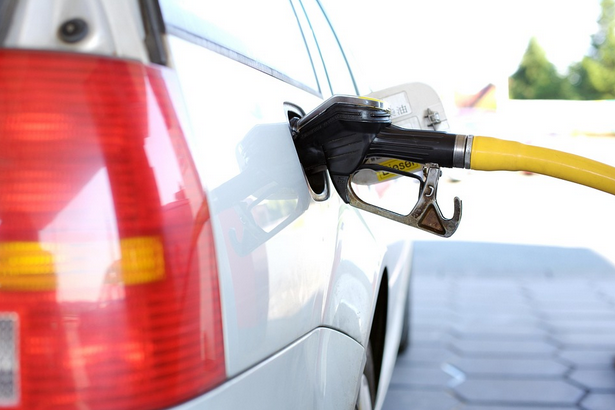
Older cars don’t just wear out mechanically. They also become less efficient. Engines lose performance over time. You may find yourself visiting the gas station more than you used to, and spending much more in the process. Even regular maintenance can’t restore lost mileage forever. With fuel prices staying high in many areas, poor efficiency hurts your wallet. Newer models offer better mileage, and many hybrids or EVs reduce fuel costs to nearly zero.
Value Depreciates Quickly
All cars lose value, but some decline faster than others. Once a car hits a certain age or mileage point, especially around 100,000 miles, its trade-in value often plummets. Holding onto a car too long can mean getting far less for it when you finally do decide to sell. Timing matters. Trading in a vehicle before it crosses that threshold may put more money back in your pocket. If your car still runs well but is about to lose significant value, it might be a smart time to act.
Trust Factor Fading
At a certain point, owning a car is about more than just function. It’s about confidence. Do you feel safe driving it? Are you comfortable taking it on long trips? Does it still feel like something you can count on? If the answer is no, you’re not alone. Many people hold onto vehicles longer than they should, hoping to squeeze a bit more use from them. But sometimes, the stress and uncertainty just aren’t worth it. Trading in can give you the fresh start you need and bring back the ease that car ownership should provide.
Keeping a car too long can cost more than money. It can cost time, safety, and peace of mind. Recognizing the signs is key. Whether it’s frequent repairs, poor fuel economy, or outdated features, every issue …

 One effective way to lower car insurance expenses is to compare quotes from different providers. Rates vary significantly between companies, and what works for one person might not be your best option. Use online comparison tools for quotes from different insurers and evaluate their coverage options. Look for discounts that may apply to you, such as multi-policy discounts, safe driver discounts, or low mileage discounts.