
For decades, flying cars have been one of the most iconic ideas in science fiction. Movies, cartoons, and futuristic predictions often imagined cities filled with vehicles soaring through the sky instead of sitting in traffic. For a long time, the concept seemed more like a fantasy than a reality. But in recent years, advances in electric propulsion, lightweight materials, and autonomous technology have brought flying cars closer than ever before. Today, several companies are actively developing vehicles that can both drive and fly, raising the possibility that airborne commuting might one day become part of everyday life.
Why Flying Cars Are Suddenly Possible
The idea of flying cars isn’t new—engineers have experimented with it for decades. What’s different today is the technology available to support it. Electric motors are lighter and more efficient than traditional engines, while modern batteries can store far more energy than earlier versions. Advances in drone technology have also played a major role, demonstrating that multiple small rotors can stabilize aircraft and make vertical takeoff possible. Together, these developments have created a technological environment where flying cars are finally practical to build and test.
The Rise of eVTOL Vehicles
Many of the flying car designs currently in development fall into a category known as eVTOL, which stands for electric vertical takeoff and landing. These vehicles function more like small aircraft than traditional cars, lifting off the ground vertically like a helicopter and then transitioning into forward flight. The advantage of this design is that it eliminates the need for long runways, allowing vehicles to operate from compact landing areas in cities. eVTOL technology is considered one of the most promising paths toward urban air mobility.
Urban Air Mobility and Traffic Solutions

One of the biggest motivations behind flying car development is the growing problem of traffic congestion in major cities. Roads in many urban areas are already overcrowded, and expanding infrastructure on the ground can be extremely expensive and disruptive. Flying vehicles could provide a new transportation layer above city streets, allowing people to travel across town in minutes instead of hours. While this idea may sound ambitious, some companies are already testing air taxi services designed for short urban flights.
Challenges That Still Need Solving
Despite the exciting progress, flying cars still face significant challenges before becoming widely available. Safety regulations, air traffic management, and infrastructure development are all major hurdles. Governments will need to create new systems for managing low-altitude air traffic to prevent collisions and maintain order in crowded skies. Noise levels are another concern, especially in dense urban environments where large numbers of flying vehicles could disturb residents. Engineers are working on quieter propulsion systems, but the issue remains an important factor.
When Could We Actually See Them?
While fully personal flying cars might still be years away, the first step toward airborne transportation could arrive sooner than many people expect. Some companies are targeting the late 2020s for limited air taxi services in select cities. These early systems would likely operate more like ride-sharing services than personal vehicles, with trained pilots or automated systems controlling the aircraft. As technology matures and regulations evolve, the idea of owning a personal flying vehicle may eventually become more realistic.
Flying cars have long been a symbol of the future, representing a world where transportation is faster, more efficient, and less constrained by roads. Thanks to advances in electric propulsion, drone technology, and smart navigation systems, that vision is beginning to move closer to reality. While challenges remain, the progress made in recent years suggests that airborne mobility may soon shift from science fiction to practical transportation. The skies above our cities could one day become as busy as the streets below, marking the start of an entirely new era of travel.…
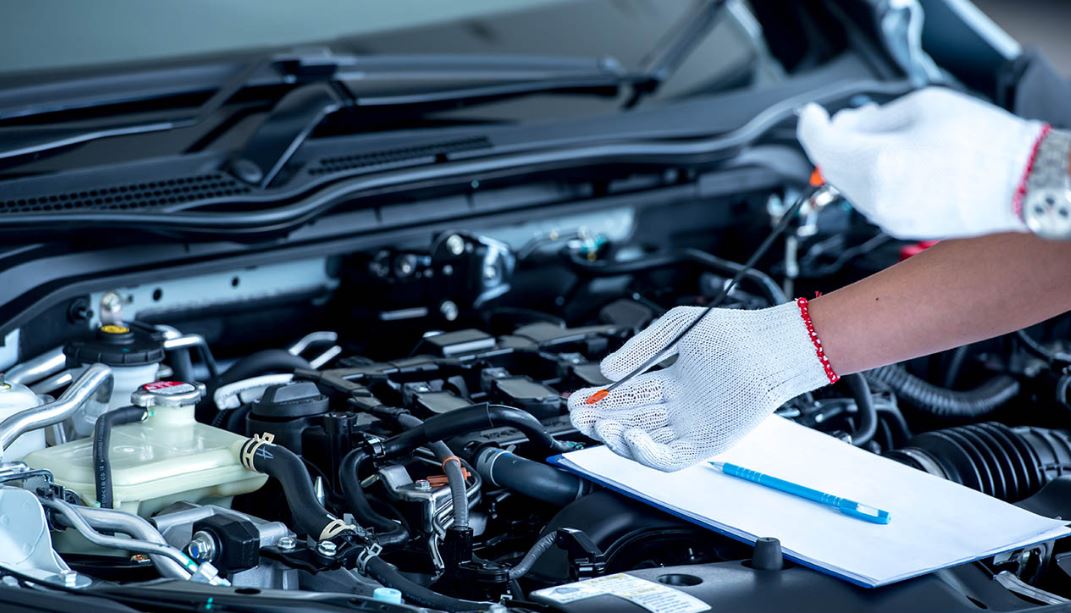
 The engine is an essential part of any vehicle. You can maintain it by conducting regular oil change to reduce the chances of wearing out. Other parts you should monitor include tyres, spark plugs, and brake system. A vehicle repair shop is the best place to take your car because they have all that is needed to offer the right service. Here is how you can choose the best car repair shop.
 Reviews can also help you know the best auto repair shops within your area. You can look for them online or other platforms like mainstream media. Friends who have had the chance to take their cars to these repair shops can also recommend you to the best.…
 is different in ownership where you have to stick to one type and resell it to buy another one. Some leasing companies give you the option to end your lease early if you want to try out a different kind of vehicle. You can try out different models within a short period when you lease a car.
 own it fully. This is something that will be more regulated when you lease one. Leasing a car makes you more responsible, and you will not subject yourself to different things that may damage your vehicle. The chances of damaging it will be minimal.